WATER RESILIENCE LAB – ARNO BASIN
A new collective model for financing resilience
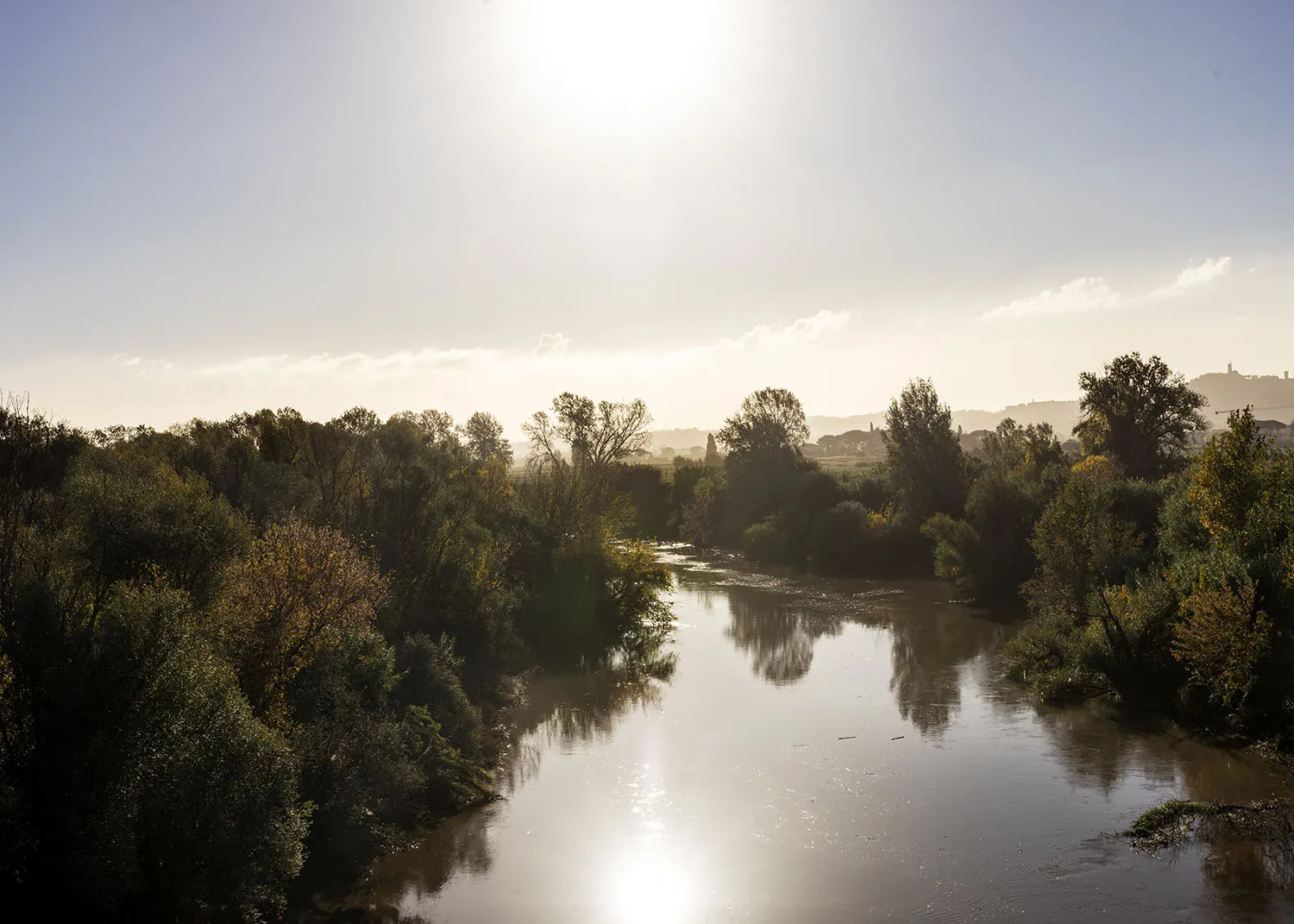
The Arno River flows through the heart of Tuscany, a territory rich in biodiversity, agriculture, communities, business and tourism. As a precious resource, the river’s water is essential to the surrounding region, yet the health of its basin is now under serious threat.
To meet this challenge, Kering partnered with Conservation International, Etifor | Valuing Nature and the University of Florence to create the Water Resilience Lab – Arno Basin.
The first of its kind, the Lab is an innovative cross-sector platform bringing public authorities, industry, academia, finance, and local communities together to build a shared and collaborative pathway to regenerate the Arno River Basin and create long-term water resilience for one of Italy’s most economically vital regions.
By connecting the best available science with coordinated action and innovative finance, the Lab is transforming fragmented efforts into a mosaic of strategic initiatives to address the river basin’s vulnerability to droughts, floods, and pollution. It enables partners to align their efforts, mobilise investment, and achieve more together than any organisation could accomplish alone.
Help shape the future of the Arno Basin, so that nature, people and business can thrive together.
Climate & water risks: an urgent need for adaptation
Increasing climate and water crises are putting the entire Arno Basin under pressure: its communities, ecosystems and economy. This is not just an environmental emergency; it is a systemic risk affecting everyone who lives, works and does business in the region, including the supply chains on which businesses depend. Because these challenges are deeply interconnected, they require a new approach—one that brings together the actors, investments and solutions needed to drive lasting change.
The Water Resilience Lab – Arno Basin is building the solution. By aligning public and private efforts around collective actions and shared priorities, the Lab coordinates Nature-based Solutions with industrial improvements and mobilises the investment needed to regenerate the territory, replenish the basin, and build long-term resilience for all.
Extreme climate events are becoming more frequent and severe: floods put people, infrastructure and businesses at risk, while increasingly dry seasons strain the region’s water supply, creating disruptions and public health issues.
The degradation of headwater areas undermines the basin’s natural ability to store water and regulate flows, removing the barrier that protects communities, the land and economic activity.
Some industrial and agricultural activities generate persistent pollution loads, with direct consequences for public health and ecosystems.
Many of the basin’s most important industries operate in the highest-risk areas of the basin, leaving them exposed to potential climate and water-related disruptions to their business.
Water- and climate-related disasters affect daily life, public services, employment, tourism and cultural heritage. Building resilience helps protect not only economic activity, but also the people, places and traditions that make the Arno Basin and its surrounding region unique.
€1.89 Bn
estimated damage from the 2023 floods in Tuscany
50+
days of heat stress per year expected by 2030
100+
companies at risk in the basin
2.83 M
inhabitants in the Arno river catchment area
A basin that powers the region’s flagship industries
Agriculture
Chemicals & pharmaceuticals
Engineering
Food & beverage
Jewellery
Paper industry
Plant & Flower nurseries
Tanning & Leatherwork
Textiles
Tourism
Each of these sectors depends on the health of the basin and shares its risks.
Business risks: protecting continuity
Flood peaks destroy infrastructure, natural resources and economic activity; increasingly dry seasons cripple water supply. The degradation of headwater areas also removes the natural barrier that shields downstream industries from extreme events.
EU withdrawal limits, water quality obligations and new reporting requirements (CSRD, TNFD, SBTN) make managing water risk mandatory, no longer an option.
Persistent pollution loads, conflicts with local communities over water use and exposure to greenwashing accusations put the social licence to operate at risk. Managing water impacts more effectively reduces reputational exposure for businesses that depend on these resources.
Together, the three risks above translate into a real and growing economic impact.
No single actor can secure basin-wide resilience alone.
COMPANY A
On-site water efficiency
COMPANY B
Watershed restoration project
COMPANY C
Water recycling initiative
COMPANY D
Community water access programme
COMPANY E
Sustainable agriculture project
MUNICIPALITY
Wastewater treatment upgrade
Same basin. Same risks. Fragmented investment.
Water scarcity
Floods and droughts
Water pollution
Ecosystem degradation
Competition for water
From risk to opportunity: a Lab for resilience
Tackling the challenges of today and tomorrow requires coordinated action from all stakeholders across the territory. Science shows us where to act; the Water Resilience Lab – Arno Basin provides a platform to catalyse collective action, overcome shared challenges and achieve common goals.
Achieve a “Water Positive” basin by 2050*
- Shared, sustainable water management through the creation of a multi-stakeholder partnership, bringing together a mosaic of diverse and complementary solutions that combine nature-based and man-made approaches
- Regenerate freshwater ecosystems, strengthening the territory’s resilience to water-stress events (floods, droughts, pollution) while improving productivity
- Increase public-private co-financing for green and blue infrastructure that delivers measurable positive impacts on water resources and underpins long-lasting resilience
*“Water Positive” is a transformative approach that goes beyond simply reducing water use. It means replenishing more water than we consume, restoring the balance of the ecosystems we depend on.
A shared roadmap: building an innovative,
replicable, science-based model
Science-led diagnosis
Successful collective action is rooted in a shared understanding of challenges and goals. To establish scientific consensus, Etifor, together with the DAGRI and DICEA departments of the University of Florence, carried out a rigorous hydrological, ecosystem and socio-economic analysis of the basin, identifying exactly where coordinated actions can maximise impact.
Architecture of synergistic action
No single actor can solve this challenge alone. Companies, institutions, local communities and international partners — Conservation International, CEO Water Mandate, Water Resilience Coalition — pool resources, expertise and capital, shaping decisions together based on shared data to magnify the combined impact of their efforts.
Reduced investment risk and greater investment leverage through public-sector collaboration
A shared strategy, based on scientific evidence and a nexus approach, enables the alignment and engagement of regional authorities. Integration with regional water management plans avoids regulatory bottlenecks and unlocks opportunities for blended finance.
A replicable international model
The Water Resilience Lab – Arno Basin serves as a living laboratory ready to trial new approaches in finance and technology. The Lab is defining a replicable model of nature-positive water resilience for basins around the globe.
Aligned with leading international standards and frameworks
GOVERNANCE
CEO Water Mandate
An initiative of the UN Secretary-General and the UN Global Compact for the sustainable management of water resources worldwide.

MITIGATION
SBTN & LEAP Framework
Science Based Targets Network (SBTN): science-based targets for nature – land and freshwater. Taskforce on Nature-related Financial Disclosures (TNFD) and its LEAP approach: proactive management of nature-related risks.

METRICS
Volumetric Water Benefit Accounting
A methodology for measuring the value of water management activities, aligned with the Sustainable Development Goals (SDG 6).
STEWARDSHIP
Alliance for Water Stewardship (AWS)
An international standard for the responsible and collective use of water through a single shared framework.

Water resilience is not a cost;
it’s an investment with long-lasting returns
€157
in avoided damage for every m³ of water retained or infiltrated
≃ €5
in economic value generated for every euro invested in NbS
€3
of public capital activated for every private euro invested

A pipeline of investment-ready projects
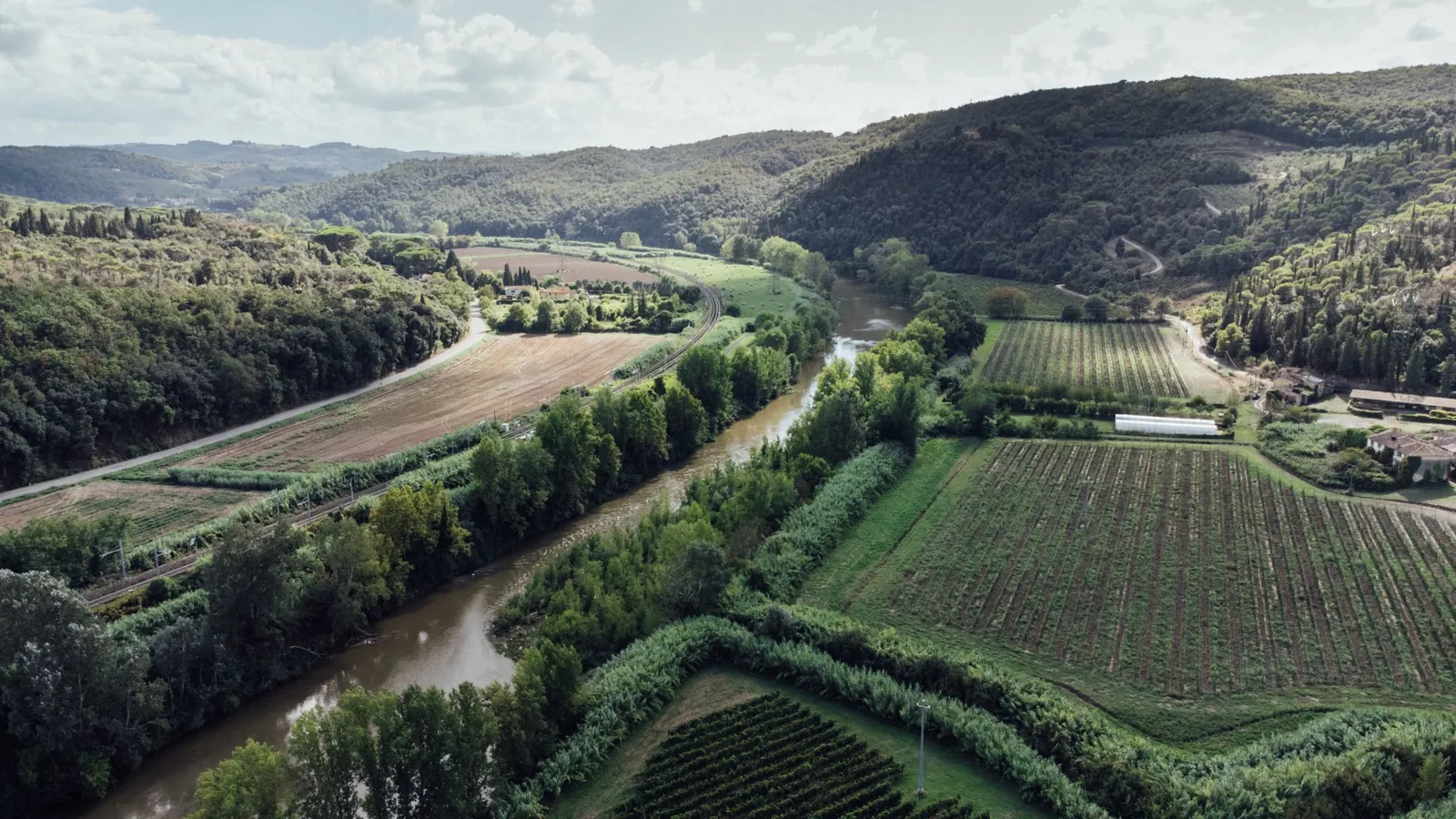
Science shows us the key nature-based approaches that can transform the way we address water challenges. The Water Resilience Lab – Arno Basin is turning knowledge into action, identifying 6 priority hotspots in need of intervention and developing a results measurement system grounded in innovation and science.
Across the Arno Basin, Lab partners are already taking action – advancing industrial projects to adapt to climate change, reducing risks and restoring watershed health. Together, we are turning shared challenges into opportunities for lasting change.

In line with the guidelines of the Water Resilience Coalition – UN Global Compact.
-
1. Pistoia Plain — Ombrone / Bisenzio
4 flood-retention basins for water collection and tree planting
Key issues: Flash floods + pollution load
~562,000 m³/year Open for funding
-
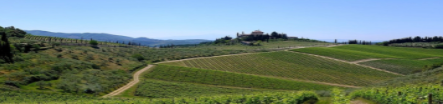
2. Villa Petriolo, Santa Croce sull’Arno
Upstream wetland and forest restoration; drainage water management
Key issues: Floods + poor water quality + seasonal scarcity
~16,000 m³/year Open for funding
-
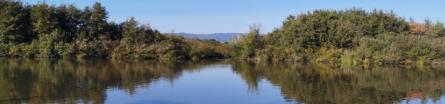
3. Lago di Sibolla — Usciana
Restoration and expansion of wetlands and riparian areas
Key issues: Low water availability + poor ecological function
~35,000 m³/year Open for funding
-

4. Pisa — Era
Reforestation and forest management
Key issues: Floods + poor ecological integrity
~4,700 m³/year Partially funded
-
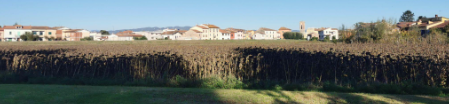
5. Pistoia, Pescia River — Usciana
Urban green areas for flood protection
Key issues: Floods + poor ecological function
Impact under assessment Open for funding
-
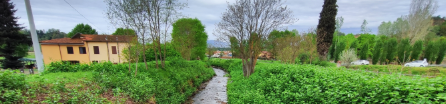
6. Arezzo Plain — Casentino / Upper Valdarno
Riparian buffer restoration with invasive species removal and tree planting
Key issues: Pollution load + ecological degradation
~1,100 m³/year Open for funding
Initiated and co-founded by



Public bodies involved in the stakeholder engagement process








Private companies involved


Every connection creates value no actor could generate alone. Together, these synergies make game-changing approaches possible.
Select an actor to see how it connects and what it gains.
Why joining the Lab pays off,
at every level
Discover how every stakeholder can contribute to this collective action while gaining tangible benefits, both for themselves and for the territory.
- Contribute to shared basin governance, capable of engaging the private and industrial sectors
- Galvanise allies to accelerate support and collective action, ensuring long-lasting water resources in the region
- Foster new financing instruments that support public initiatives, and access new sources of capital for their own projects
- Access new scientific data and decision-making tools to deepen existing knowledge and guide local environmental policy and evidence-based action
- Strengthen the territory’s environmental and social resilience, gaining visibility as promoters of an internationally recognised model
- Invest in projects that generate measurable local impacts on water, CO₂ and biodiversity
- Align directly with SBTN, TNFD, AWS, CEO Water Mandate, Net Positive Water Impact and CSRD
- Mitigate operational risks linked to the use of natural resources and indirect risks linked to supply chain disruption, while complying with current environmental regulations
- Build greater resilience to supply-chain disruptions, now and in the future
- Demonstrate an effective, credible ESG commitment, reported through the Water Resilience Coalition’s Water Action Hub — public, credible recognition of progress
- Build strategic partnerships with public bodies and local communities, and support the operational management of the Lab
- For suppliers: align with clients’ strategic needs, environmental strategies and stakeholder expectations
- Contribute to shared basin governance, capable of engaging the private and industrial sectors
- Facilitate strategic partnerships with public bodies and local communities, benefiting from a wider network of institutional relationships
- Support businesses’ goals by bringing their needs to the table, strengthening their own representative role
- Access a portfolio of scientifically validated nature-based projects, ready to be financed
- Help build a new market for investment in water resilience and natural infrastructure, still underdeveloped in Italy
- Reduce risk exposure, enabling stronger safeguards and more favourable financial terms for companies, including through blended finance instruments
- Respond to growing demands for alignment with SFDR, CSRD and other ESG frameworks, with impacts that are measurable and verifiable over time
- Bring the concerns of communities and the environment to decision-making tables, gaining direct access to forums usually reserved for institutions and businesses
- Co-design concrete nature-based interventions and solutions
- Strengthen strategic partnerships with leading public and private actors, enhancing their role in the region
- Encourage industrial sectors to take responsibility for the shared management of resources
- Contribute to science-based water governance
- Access field data and help design tools with a direct impact on the territory
- Showcase the role of science alongside businesses, institutions and local authorities, with visibility and recognition on a project of international scale
How is the Lab structured?
THE GOVERNANCE
A clear decision-making architecture, from strategic direction down to on-the-ground projects
STRATEGIC OPERATIONS COMMITTEE
Recommendations, priorities & strategy
ADVISORY BOARD
Direction
MEMBERS
Coalition representatives
Founders
Public authorities
SECRETARIAT (ETIFOR)
Design + delivery
PROJECTS + SECTOR INITIATIVES
Where it lands
AN INNOVATIVE FINANCING MODEL
Shape a mosaic of financial instruments to drive transformation
Philanthropic
Public funding
(local, national, EU)
Private partner fees
Tax incentives
Crowdfunding
wownature.eu
Resilience credits and bonds
Water Resilience Lab – Arno Basin
Pools the funds and decides how to allocate them
Funding sources
Special Purpose Initiatives (SPI)
NbS projects
Collective projects
Public-private partnerships (PPPs)
Where the funds go: the Lab’s on-the-ground activities

This is your opportunity to lead change.
Joining the Water Resilience Lab – Arno Basin means stepping up to help lead the way—shaping new models of collaborative governance and innovative finance to secure water and climate resilience for the future.
Fill in the form and our team of experts will get back to you!
Privacy: the data you submit will be used exclusively by Etifor and the Water Resilience Lab — Arno Basin partners to contact you about the project’s activities.